
Why Are Funeral Notices Important for Loughborough Families?

Losing someone changes the shape of your days almost overnight. In the middle of that, one small task often gets overlooked: telling people. Not just the closest family, but the wider circle: a former colleague, a neighbor who moved away, a cousin who lives two counties over. A funeral notice is how that word travels, and it does more than most people expect from a short piece of text.
If you're arranging a service for the first time, you may be wondering whether a notice is really necessary, or whether phone calls and word of mouth will be enough. It's a fair question, and one that comes up often with families across Loughborough. The honest answer is that a notice does something a phone call can't: it creates one clear, lasting record that everyone can refer back to, at their own pace, without you having to repeat the same details over and over while you're already stretched thin.
What a Funeral Notice Actually Does
A funeral notice isn't just an announcement. It's a small act of care, both for the person who has died and for everyone left trying to make sense of the loss.
At its core, it serves a few practical purposes:
Confirms that someone has passed away, so rumor and confusion don't fill the gap
Shares the essential service details: date, time, and location
Gives people a starting point to express condolences or pay respects
Creates a lasting, searchable record that family can return to later
Getting the wording right matters more than people expect: too little detail and mourners miss the service; too much and it feels impersonal. If you're putting one together yourself, it helps to see how the structure usually works before you start writing.
Why This Matters More for Loughborough Families Specifically
Loughborough is a close community, but it's also one where families are spread out: some in the town center, others in surrounding villages, and many who've relocated for work or study but still keep close ties here. That mix is exactly why a funeral notice earns its place. A notice reaches people a phone tree simply can't, and it does so without asking a grieving family to manage dozens of individual conversations.
There's also a quieter reason this matters: informing family and friends properly is part of how communities grieve together. When someone finds out too late, or hears secondhand, it can add an extra layer of hurt to an already difficult time. A clear, timely notice avoids that. It also gives people the chance to include the right details, service information, and any specific wishes the family wants observed, so nothing important gets lost in translation.
Timing Is Part of the Message
A notice that goes out too late defeats its own purpose, and one published too early can create confusion about a service that isn't finalized yet. Most families don't realize how much the timing itself shapes who actually attends. Working out when a notice should go live, and how that fits around the service date, is worth understanding before you publish anything.
The Cost of Skipping It
It's worth being honest about what happens when a funeral notice gets left out entirely, or handled as an afterthought.
Distant relatives or old friends may find out weeks later, if at all
Colleagues and community members lose the chance to pay respects
Families end up fielding the same questions individually, again and again
There's no lasting record for people who want to look back later
None of this is anyone's fault; grief doesn't leave much room for admin. But it's exactly why families in Loughborough often turn to Membrance for support with this part, so the responsibility doesn't sit entirely on their shoulders during an already exhausting week.
Where This Fits Into the Bigger Picture
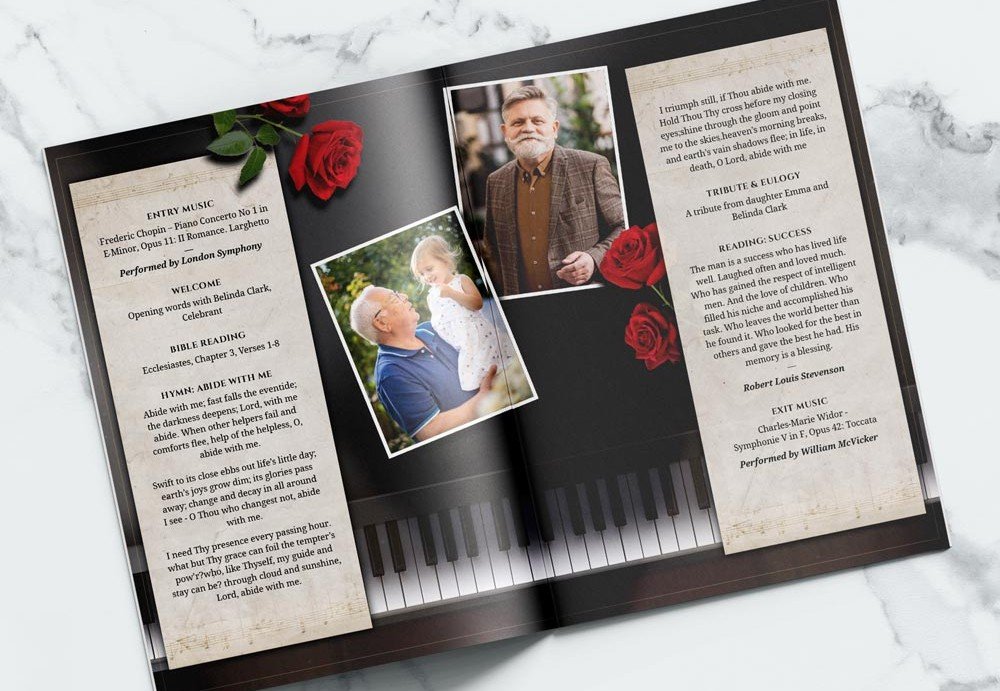
A funeral notice rarely stands alone. It usually works alongside the service itself, the order of proceedings, and sometimes printed keepsakes that family members keep long after the day has passed. Choosing where to publish locally, online, or both changes how far the notice reaches and who's likely to see it in time.
Many families also choose to pair their notice with something more permanent, like a set of memorial notice cards, so guests have something to hold onto beyond the service itself. It's a small addition, but one that often means a great deal later.
Common Mistakes Worth Avoiding
A few patterns come up again and again with first-time notices:
Leaving out the date or time because it feels obvious to the family, forgetting it isn't obvious to everyone else
Writing it too late, which limits how many people can rearrange their day to attend
Assuming everyone already knows, when in reality word rarely travels as far as families think
Overcomplicating the wording, which can bury the details that actually matter
None of these are big mistakes on their own, but together they're the most common reason a service ends up with fewer attendees than the family expected.
Why Getting It Right Matters
There's no substitute for experience here. Families who've handled a notice properly before tend to know instinctively what to include and what to leave out, not because there's a rigid formula, but because they understand what grieving readers actually need from a few short lines. That's really the whole point of a funeral notice: not to say everything, but to say enough, clearly, in time for it to matter.
If you're looking for a simple way to share the announcement, browse our Digital Funeral Notices Collection. You'll find a range of professionally designed templates that can be personalized and shared quickly with family and friends by text, email, or social media.
Membrance LLC has worked alongside Loughborough families through exactly this process, and one thing tends to hold regardless of the circumstances: a notice written with care almost always reaches the people who need to know, at a moment when that reach matters most.
The Bottom Line
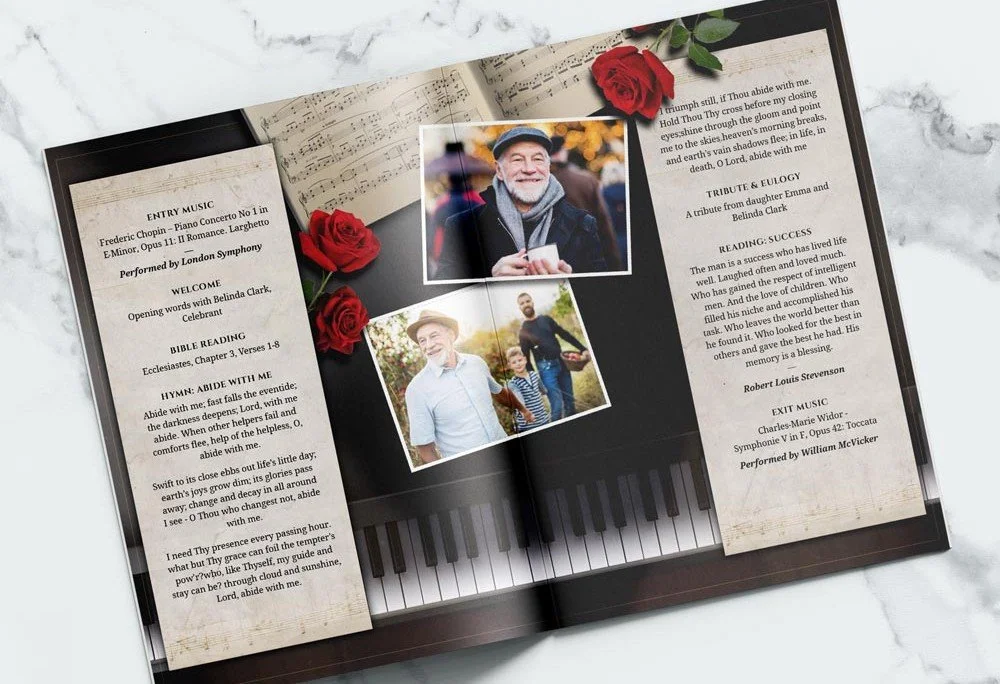
A funeral notice is one of the simplest things a family can do, and one of the most meaningful. It tells people what's happened, when the service is, and gives them a real chance to be there or at least to know, and to grieve alongside everyone else who cared. Getting the wording, timing, and placement right isn't complicated once you understand why each piece matters.
If you're preparing a notice and want a second set of eyes on it, or simply don't want to manage it alone this week,contact us and someone will walk you through it.
FAQs
1. Do I need a funeral notice if I'm already calling close family myself?
Phone calls reach close family well, but a notice reaches the wider circle: old colleagues, neighbors, distant relatives who wouldn't otherwise hear in time.
2. How soon should a funeral notice go out?
It depends on when the service is scheduled and where you're publishing. As a general guide, most families publish a few days before the service; timing is covered in more detail separately.
3. What's the minimum information a notice needs?
At minimum: the person's name, the date and time of the service, and the location. Anything beyond that is optional but often appreciated.
4. Can a funeral notice be published online as well as printed?
Yes, and many Loughborough families do both, since it widens the reach without much extra effort.
5. What if the service details change after the notice is published?
It happens more often than people think; most publications allow a follow-up correction or update, so it's worth checking as soon as a change occurs.