
What Should Be Included in a Funeral Notice in Loughborough?

Most people writing a funeral notice for the first time make the same mistake: they either write too little, leaving readers guessing, or they write too much, burying the one detail everyone actually needs. It's an understandable mistake. You're grieving, you're short on time, and nobody hands you a template when you need one most.
So what should be included in a funeral notice? At a minimum, it needs the person's full name, the date and time of the service, and the location. Everything past that is where families start to differ, and where a little guidance goes a long way. Loughborough families working with Membrance often ask this exact question in the first phone call, which tells you how common the uncertainty really is.
This guide walks through what belongs in a notice, what's optional but appreciated, and where people commonly go wrong.
The Essentials Every Funeral Notice Needs
Before anything else, a notice has one job: to make sure the right people know, in time, with no confusion. That means a few pieces of information are non-negotiable.
Full name of the deceased (including any name they were commonly known by)
Date, time, and location of the service
Whether the service is public or private, and whether the burial or committal is separate
Skip any of these, and you risk the exact problem a notice is meant to prevent: people showing up on the wrong day, at the wrong venue, or not at all. If you're still working out the right timing for publishing, that's covered separately and is worth reading before you finalize wording.
What's Optional, But Often Included
Once the essentials are covered, most families add a few personal touches. None of these are required, but they shape how the notice feels to the people reading it.
A short line about the person's life, career, or character
Names of immediate surviving family
Requests instead of flowers, such as a preferred charity
Details for a wake or gathering afterward
Contact information for RSVPs, if needed
There's no single right way to balance these. Some families prefer a brief, formal announcement; others want something warmer that reflects who the person was. Either approach works, as long as the essentials aren't crowded out. If you're deciding between a short announcement and a fuller tribute, it helps to understand why the notice matters in the first place, since that shapes how much detail is worth including.
Getting the Format Right
Wording matters, but so does structure. A funeral notice reads differently depending on where it's published, and getting the format wrong is one of the more common issues families run into.
A print notice in a local paper tends to be shorter, often priced by word or line, so families trim it to the essentials plus one or two personal lines. An online notice has more room to work with, since space isn't as tightly limited, and many families use that extra room for a fuller tribute or additional service details.
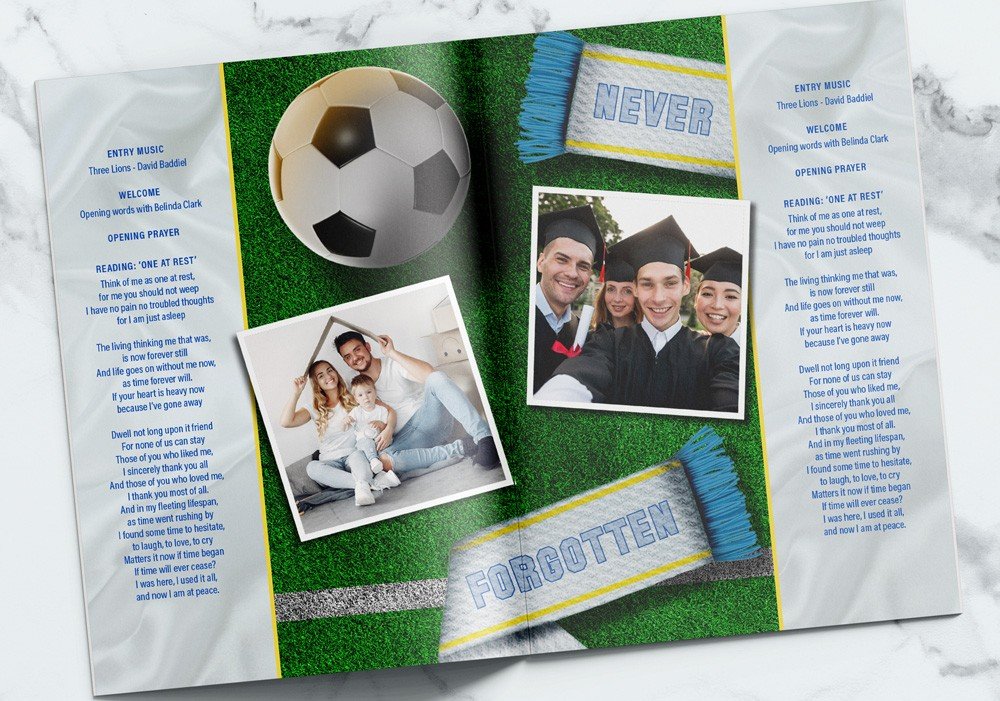
If you're planning to share the announcement online, browse our Online Funeral Notices Collection. It features elegant, easy-to-personalize designs that can be shared quickly with family and friends while providing space for service details, a heartfelt message, and cherished memories.
If you haven't decided yet where to publish, it's worth comparing the options before finalizing your wording, since the right format for a newspaper notice isn't always the right format for an online one.
Membrance puts a genuine emphasis on getting this balance right, because a notice that's formatted for the wrong medium often ends up either cut off mid-sentence or padded out awkwardly. Neither does the family any favors.
Common Mistakes in Funeral Notice Wording
A few patterns come up again and again, regardless of how the notice is eventually published.
Leaving out the year of birth or death, which matters for record-keeping and for distant relatives piecing together family history
Using inconsistent names, such as a legal name in the headline and a nickname in the body, which can confuse readers who only knew the person one way
Forgetting to specify AM or PM for the service time
Omitting whether flowers are welcome or not, which leaves guests unsure what's appropriate
Writing the notice so briefly that it reads like a formality rather than a genuine goodbye
None of these mistakes are serious on their own, but together they're usually why a notice needs a follow-up correction. If you want to see how the wording typically comes together from a blank page, there's a more detailed breakdown of structure and phrasing worth reading first.
Why the Details You Choose Actually Matter
It's tempting to think of a funeral notice as a formality, something to check off a list. In practice, it's often the only written record some people will ever see of that person's passing. A cousin overseas, a former coworker, a neighbor who moved away years ago; for them, this short piece of text is the whole story.
That's part of why Membrance LLCtakes the wording seriously rather than treating it as boilerplate. Getting someone's name right, including the detail that mattered to them, choosing whether to mention a cause of death or leave it private- these are small decisions that carry real weight for the people reading them later, sometimes years later.
For families who want support turning these details into a finished notice, Membrance's funeral notice writing service handles the wording end to end, so nothing important gets left out and nothing gets said the family didn't intend.
A Few Practical Tips Before You Publish
Read the notice out loud before submitting it. Wording that looks fine on a page sometimes sounds abrupt or unclear spoken aloud.
Double-check the date and time against the confirmed service booking, not an earlier draft.
Ask one other family member to review it. A second pair of eyes catches errors surprisingly often.
If you're unsure whether to include a detail, err on the side of including it. Missing information is harder to fix after publication than an extra sentence is to trim.
Where This Fits Alongside the Rest of the Process
A funeral notice rarely stands on its own. It usually sits alongside decisions about timing, publication, and sometimes printed keepsakes the family keeps afterward. If you're just starting to plan and haven't worked out the order of steps yet, it's worth stepping back and reading why notices matter in the broader context of arranging a service, since that often clarifies how much detail is actually needed here.
Families across Loughborough who want extra support at this stage often turn to where the whole process, from wording to publication, can be handled without adding to an already exhausting week.
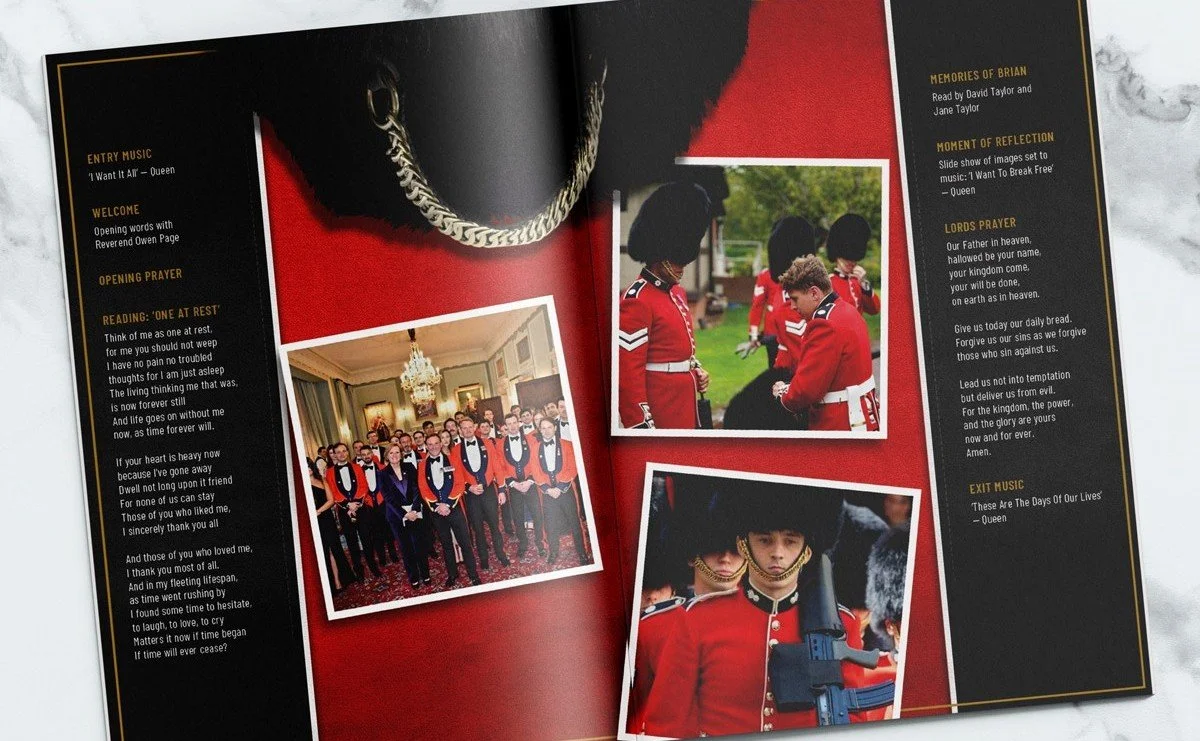
Many families also pair their notice with a set of memorial notice cards, giving guests something physical to keep beyond the service itself. It's a small addition, but one that's often remembered long after the day has passed.
The Bottom Line
A funeral notice doesn't need to be long or elaborate to do its job well. It needs a name, a date, a time, a place, and just enough warmth to make it feel like more than paperwork. Get those pieces right, and the notice will do exactly what it's meant to: let the right people know, with enough time and enough care.
If you're putting one together this week and would rather not manage every detail alone,contact usand someone from Membrance will walk you through it.
FAQs
1. What's the absolute minimum a funeral notice needs?
The person's full name, plus the date, time, and location of the service. Everything else is optional but often appreciated.
2. Should I include the cause of death in a funeral notice?
That's entirely up to the family. Many notices leave it out entirely, while others mention it briefly, especially if the family wants to raise awareness or direct donations to a related charity.
3. Is it okay to ask for donations instead of flowers in the notice?
Yes, this is common and usually phrased simply, such as naming a preferred charity in place of flowers.
4. Do I need to include full family names, or is survived by his wife and children enough?
Either works. Some families prefer full names for the record; others keep it general for privacy. There's no wrong choice here.
5. What if I make a mistake in the notice after it's published?
Most publications, print and online, allow a correction. It's worth contacting them as soon as the error is noticed rather than leaving it uncorrected.