
Where Should You Display a Funeral Memory Board in Loughborough?
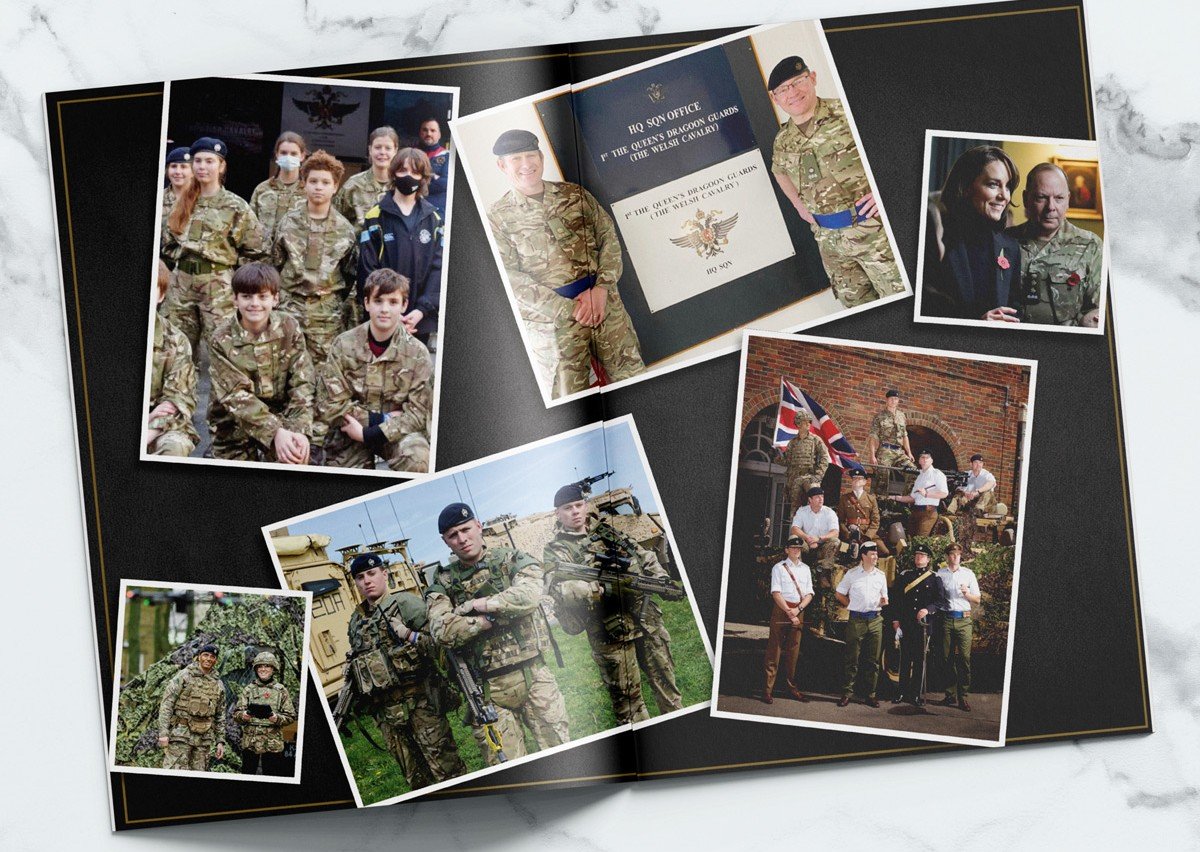
Most families spend hours choosing the right photos for a memory board and almost no time thinking about where it will actually stand on the day. That's the part that quietly makes or breaks it.
A board full of beautiful pictures still goes unnoticed if it ends up tucked behind a doorway or squeezed onto a table nobody walks past. Placement isn't an afterthought; it's what decides whether guests actually stop, look, and remember.
Why Placement Changes How Guests Experience the Board
A funeral or memorial gathering has its own natural rhythm. People arrive, find a seat, sit through the service, then often move into a reception or wake where there's more time to talk and reflect. A memory board works best when it sits inside that rhythm rather than fighting against it.
Before picking a spot, it helps to be clear on what the board is actually for something we cover in more depth in our guide on what a memory board really is and how it differs from a simple photo collage. Once that's clear, the placement decision gets a lot easier.
A well-placed board usually:
Sits somewhere guests naturally pause, not somewhere they're rushing past
Stays clear of busy doorways and narrow hallway traffic
Has enough open space for two or three people to stand and look together
Sits under decent lighting, since dim corners flatten photos and drain their detail
The Most Common Display Spots and Where They Work Best
There's no universal correct spot. The right one usually depends on the venue itself and the type of gathering being held.
Near the entrance: Good for smaller services, since it gives arriving guests something to look at while they wait. It plays a different role than an entrance welcome sign, which greets guests by name rather than telling a fuller visual story.
At the reception or wake, probably the most common choice, and for good reason. Guests have more time here than during the service itself, and the board often becomes a natural conversation starter while people are mingling. If you're weighing up broader funeral reception ideas beyond just the board itself, that's usually the moment worth planning around most carefully.
Next to the guest book: Pairing the two creates a nice flow: guests look through the photos, then leave a message shaped by what they just saw.
In a quieter corner: For bigger venues, a slightly separated space gives people room to look without feeling like they're blocking a walkway.
Getting the Placement Right for Your Specific Venue

No two venues lay out the same way. A spot that works beautifully in one hall or church can feel cramped or completely missed in another. This is something the team at Membrance walks through with families directly; a quick look at a venue's floor plan is usually enough to spot the right location well before the day itself. It's part of why so many families reach out through membrance.co.uk before finalizing anything, just to sanity-check the layout.
Common Placement Mistakes Worth Avoiding
A handful of issues come up again and again, regardless of venue size:
Picking a spot because it's empty, not because it's visible. An open corner isn't automatically a good spot if guests rarely walk past it.
Poor lighting. Photos lose most of their impact in shadowed or dim areas.
Ignoring foot traffic. A board placed in a busy walkway feels like an obstacle rather than an invitation.
Assuming any table works. One that's too low or awkwardly angled is hard to view without bending down.
Forgetting accessibility. Guests using mobility aids need clear space to approach the display comfortably.
How the Size of the Board Affects Where It Can Go
A larger board with more photos simply needs more wall or table space than a compact one. It's worth deciding on scale before locking in a spot. If you're still working out how many photos to include, our separate guide on finding the right number for a memory board layout walks through that balance in more detail.
Choosing a Format That Suits the Venue
Not every format suits every space equally. Freestanding boards tend to work better in open reception halls, while wall-mounted or easel-based displays often suit smaller, more intimate rooms.
Our Memory Boards and Photo Displays collection covers a range of these formats, from compact tabletop pieces to larger freestanding displays built for bigger receptions. Among them, the Timeless Memories Photo Boards tend to work particularly well across different venue sizes its layout scales comfortably from a small side table to a more prominent central display, depending on what the space allows.
If you're also trying to decide between a traditional memory board and a simpler photo board format, our comparison guide breaks down the practical differences between the two.
Why Getting This Right Matters More Than It Seems
Families rarely get the chance to walk the venue in advance with the board already in mind, which is exactly why a short conversation about the floor plan beforehand makes such a noticeable difference. Someone who's placed these boards before can usually spot the right spot within minutes, just from knowing what tends to work across different venue types.
It also helps avoid the common last-minute scramble: arriving at the venue and realizing there's no obvious place for the board, which forces a rushed decision instead of a considered one. If you're curious why families put this much thought into getting the display right in the first place, our guide on why a memory board matters covers that in more depth.
Bringing It All Together
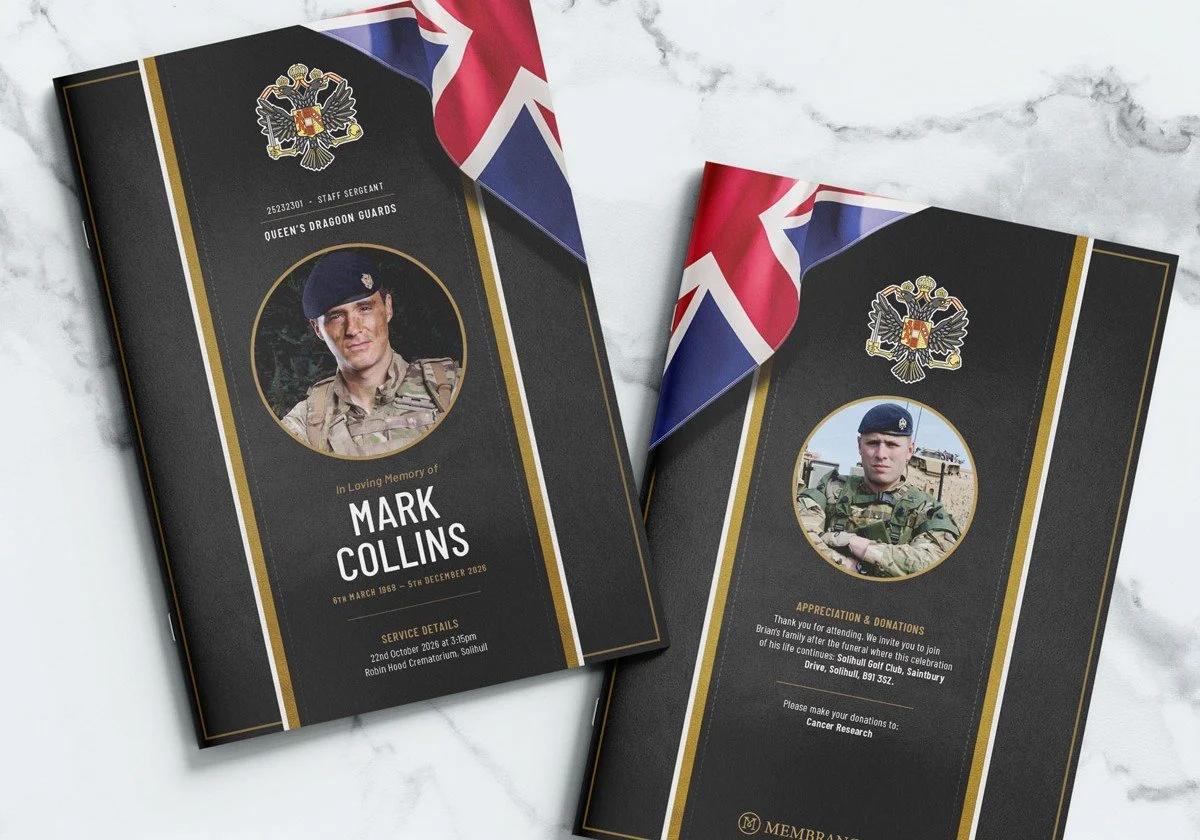
Where a memory board is displayed matters just as much as what's on it; the right spot draws guests in naturally, provides photos with enough light and space to be appreciated, and fits into the day rather than sitting off to the side as an afterthought. A little planning around placement goes a long way toward making sure the board actually gets seen.
If you'd like help figuring out the best spot for your own venue, feel free to contact us; we're happy to talk through layout options based on where your service is being held.
FAQs
Can a memory board be displayed both at the service and the reception?
Yes, some families move it between the two, though this depends on the venue and whether someone's available to handle the transition.
Is a wall or a table better for display?
Both work, and it usually comes down to available space. Wall-mounted displays suit venues with limited tables, while tabletop boards suit more open reception areas.
Should the board go near the entrance or somewhere quieter?
Either works; entrances suit brief moments of viewing, while quieter spots let guests linger longer without feeling rushed.
Does lighting really change how a board looks?
Yes, noticeably. Photos in dim or shadowed spots lose detail compared to a well-lit display.
What if the venue doesn't have an obvious spot?
Worth asking venue staff directly; most can point to a suitable table or wall space once asked.