
How Many Photos Should You Include on a Funeral Memory Board in Loughborough?
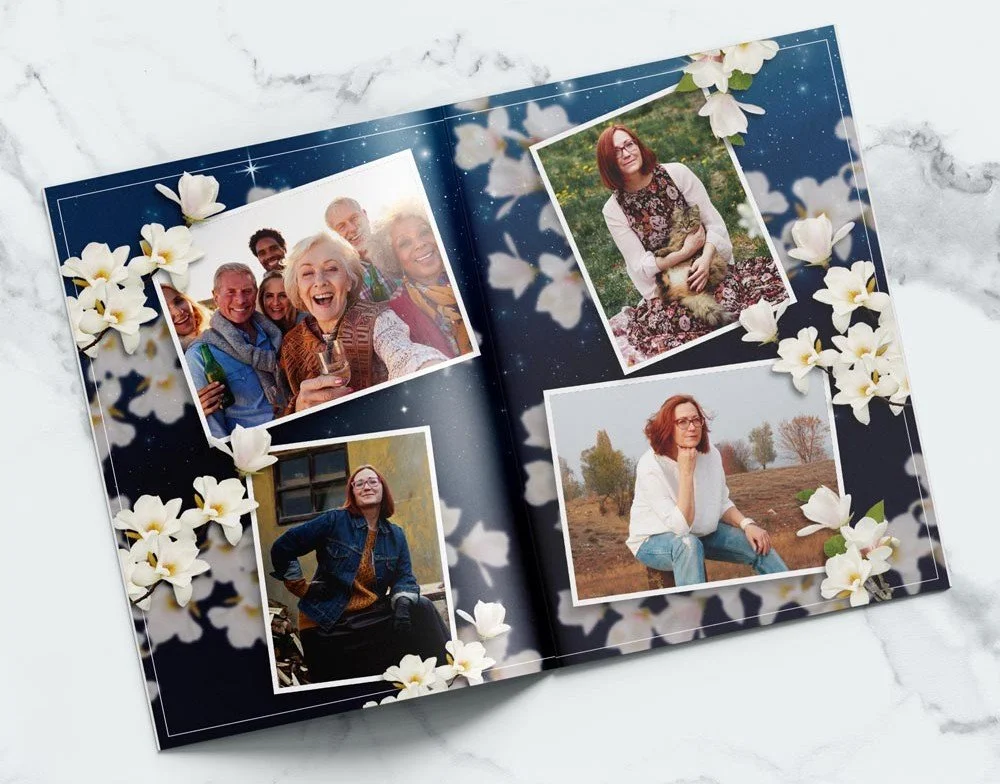
There's a moment almost every family hits while putting a memory board together: a pile of photos on the table, and no clear sense of how many should actually make the final cut. Too few, and the board feels sparse. Too many, and it turns into a cluttered wall nobody can really take in. How many photos should be on a funeral memory board isn't really a numbers question; it's a question about what story the board is trying to tell.
Why This Question Trips Up So Many Families
Most people go into this thinking more photos automatically means a fuller tribute. In practice, the opposite often happens. A board packed edge-to-edge with pictures asks guests to work harder to take anything in, and small, meaningful photos end up lost in the crowd.
Before deciding on a number, it helps to know exactly what a memory board is meant to achieve in the first place something our guide on what a funeral memory board actually is covers in more detail, including how it differs from a simple photo collection.
A board that feels right usually has:
Enough photos to represent different chapters of a life: childhood, family, hobbies, milestones
Enough breathing room between images so each one gets a moment of attention
A layout that guides the eye naturally, rather than one giant grid
A mix of photo sizes, so a few standout images can anchor the rest
So, What's a Reasonable Number?
There's no strict formula, but most well-balanced boards land somewhere between 15 and 30 photos, depending on the board's physical size and how the layout is designed. Smaller tabletop boards tend to work best on the lower end of that range, while larger freestanding displays can comfortably hold more without feeling crowded.
What matters more than the exact count is variety. A handful of candid, unposed shots next to a few classic portraits usually tells a richer story than thirty near-identical formal photos. Think in terms of themes rather than totals; a good spread might cover early life, family, friendships, and a few moments that simply capture personality.
How Photo Choice Shapes the Whole Layout
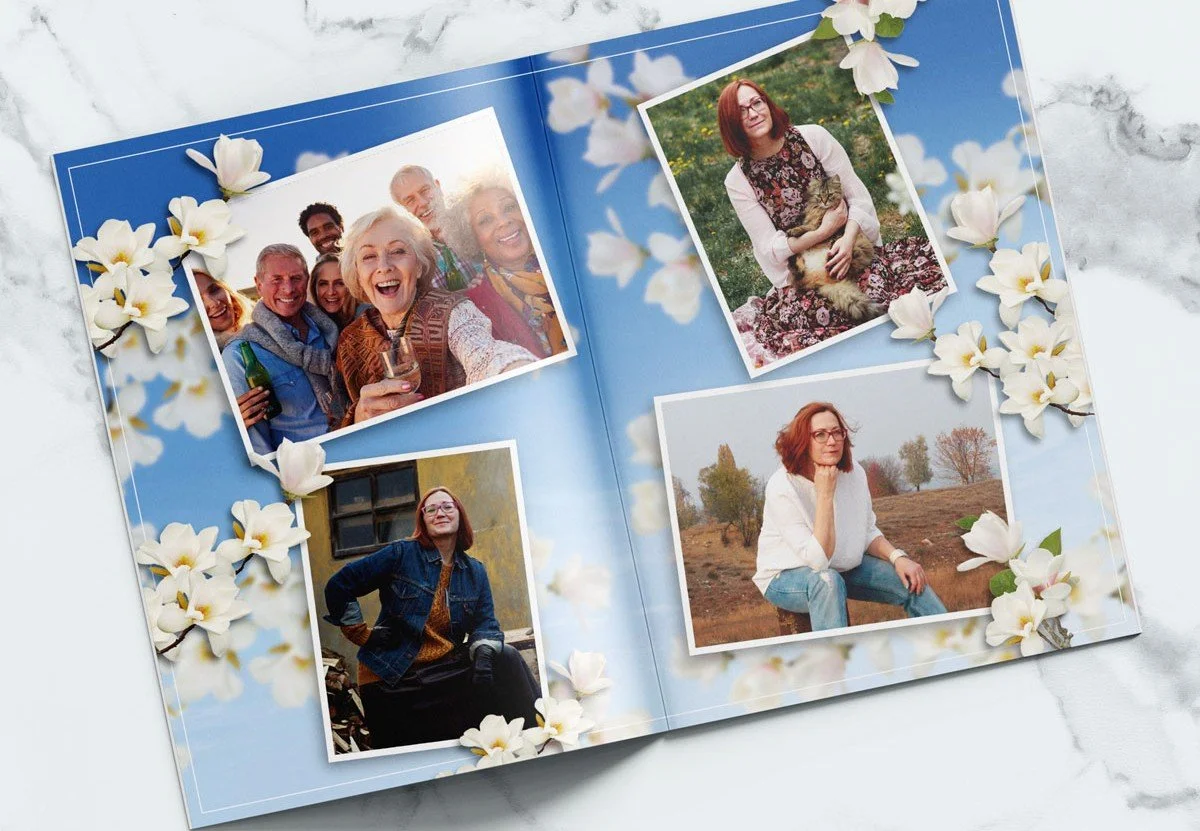
The number of photos you choose directly affects where the board can be placed on the day. A compact selection suits a side table near an entrance, while a larger collection often needs a more prominent spot with proper room to spread out; something worth thinking through alongside where a funeral memory board should be displayed since the two decisions really go hand in hand.
It's also worth remembering that photo count isn't the only factor. Photo quality, print size, and spacing all interact with the layout just as much as sheer numbers do.
Common Mistakes Families Make With Photo Selection
A few patterns come up again and again when families are choosing what to include:
Trying to include every photo anyone submits, which often leads to duplicates or near-identical shots crowding the board
Skipping variety in favor of only formal, posed pictures
Forgetting recent photos, so the board ends up leaning heavily on childhood or much older images
Ignoring image quality, which becomes obvious once photos are printed larger than their original resolution supports
Not leaving space for captions or names, which many families realize they want only after the layout is finished
What People Often Misunderstand About More
There's a common assumption that a fuller board automatically looks more thoughtful or more loved. In reality, a board with fewer, well-chosen photos often reads as more intentional, like each image was picked for a reason, rather than included simply because it existed.
This is where our team at Membrance LLC often steps in early, helping families sort through a large batch of submitted photos and narrow things down to a set that actually tells a clear story. You can see the range of layouts and sizes this can work across by browsing membrance.co.uk, which makes it easier to picture how a given photo count will actually look once printed and mounted.
Matching Photo Count to Board Format
Different formats naturally suit different photo counts. A compact display works better with a tighter, curated selection, while a larger collage-style board has room for a broader mix without feeling empty.
Our Memory Boards and Photo Displays collection includes several formats built around exactly this: some designed for smaller, more intimate selections, others made to hold a wider range of images comfortably. The Timeless Memories Photo Board Collection, in particular, is built with a flexible grid, so it can hold anywhere from a modest selection up to a fuller collection without the layout feeling forced either way.
If you're trying to decide between a more traditional memory board and a simpler photo board altogether, our comparison guide on the difference between the two is worth a look before finalizing your photo count, since the two formats handle image density quite differently.
Why Getting the Balance Right Matters More Than People Expect
Photo selection is one of those tasks that feels straightforward until it's actually in front of you. Someone who's helped put together dozens of these boards tends to spot, almost immediately, when a selection is heading toward too much or too little long before it reaches the printing stage.
That kind of experience also helps avoid a common late-stage problem: realizing after printing that certain photos are too small to include meaningfully, or that the layout looks unbalanced once mounted. Catching this early saves a lot of last-minute reshuffling. It's part of why so many families find it worth understanding why a memory board matters in the first place before committing to a final photo count; it reframes the whole exercise around storytelling rather than simply filling space.
Bringing It All Together
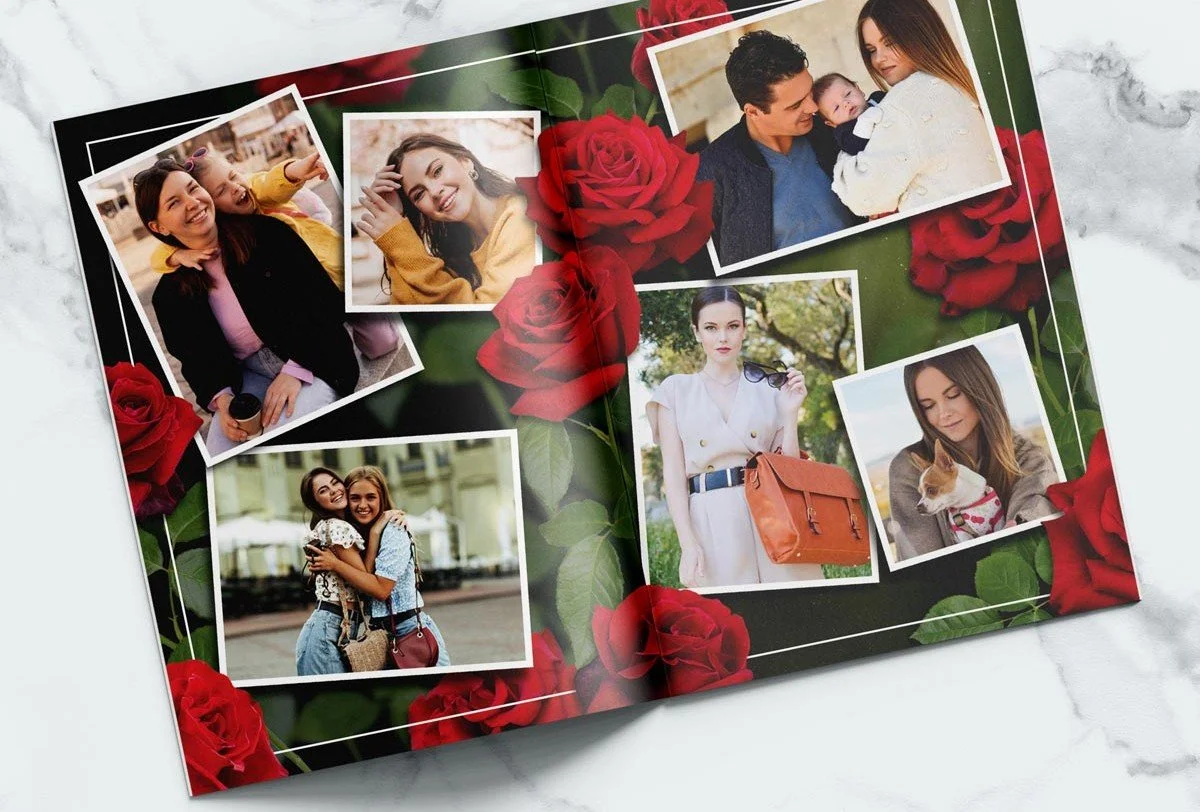
How many photos should be on a funeral memory board comes down to balance, not a fixed number. A well-chosen set of images varied, clear, and given room to breathe usually says more than a board crammed with every available photo. Think in terms of the story being told, not the space being filled.
If you'd like a hand narrowing down your photos or planning a layout that fits your chosen board size, feel free to contact us; we're happy to talk through what tends to work best.
FAQs
Is there a minimum number of photos for a memory board?
Not really; even a smaller, well-curated selection of 10–15 photos can look complete if the layout is thoughtful.
Can I include photos of different sizes on the same board?
Yes, and it often works better than uniform sizing, since a few larger images can anchor smaller ones around them.
What if I have too many photos and can't narrow them down?
It helps to group photos by theme or life stage first, then pick the strongest one or two from each group.
Do black-and-white and color photos work together on one board?
Generally yes, especially when grouped thoughtfully rather than scattered randomly across the layout.
Should recent photos outnumber older ones?
Not necessarily; a good board usually balances different periods of life rather than leaning heavily on any one era.