
How Do You Write a Funeral Notice? A Step-by-Step Guide for Loughborough
Most people only sit down to write a funeral notice once or twice in their life, usually while they're also dealing with a dozen other things: arranging the service, telling relatives, sorting paperwork. So it makes sense that the wording never quite comes naturally. There's no shame in staring at a blank page and not knowing where to start.
That's the gap this guide is meant to close. A well-written funeral notice isn't about clever phrasing or ticking a formal box; it's about giving people the right information, in the right tone, so that they can pay their respects without confusion. Membrance works with families going through exactly this, and one thing comes up again and again: people don't need more words; they need the right words, arranged clearly.
What a Funeral Notice Actually Needs to Say
A funeral notice has one job: to tell people what happened, and what happens next. Everything else is optional polish. At its core, good funeral notice wording covers:
The full name of the person who has died (and any name they were commonly known by)
Their date of birth and date of death, or simply their age
Where and when the funeral service will take place
Whether the service is open to all or private/family only
Any requests for flowers, donations, dress code, or a wake afterwards
If you're wondering exactly how much detail belongs in each of these points, Blog 5 walks through this in more depth; it's worth reading once you've got the basics down. What Should Be Included in a Funeral Notice?
Getting the Tone Right
This is where most people get stuck. A funeral notice sits somewhere between a formal announcement and a personal tribute, and finding that balance takes a bit of care.
A few things that tend to work well:
Keep sentences short. This isn't the place for long, winding tributes; save those for the eulogy.
Use warm but simple language. "Beloved father and grandfather" says more than a paragraph of adjectives.
Avoid clichés that feel copied from somewhere else. Write it the way the family would actually describe them.
Match the tone to the person. A notice for someone known for their humour can carry a lighter line than one for a more formal figure.
If you're drafting this on a phone in the middle of a difficult week, a simple funeral notice template can take a lot of the pressure off; it gives you a structure to fill in rather than a blank page to fight with. This is exactly the sort of thing Membrance LLC was built around: a guided layout that holds the tone steady even when you're too tired to think about phrasing.
Common Wording Mistakes to Avoid
A few patterns show up again and again in notices that later need correcting:
Missing or unclear dates: writing Tuesday instead of the actual date confuses anyone reading it after the fact
Ambiguous location details: the usual place means nothing to distant relatives or old colleagues
Overloading it with information: a notice isn't the order of service; it doesn't need every detail of the day
Forgetting the practical bits: parking, dress code, or RSVP instructions, if they matter
Getting the timing right matters just as much as the wording itself. If a notice goes out too early or too late, even perfect wording won't reach the people who needed to see it; that's covered properly in When Should You Publish a Funeral Notice?
Writing It Step by Step
Here's a simple order that tends to work, whether you're writing this alone or with family:
Start with the facts. Name, dates, service details. Get these down first and check them twice.
Add one or two personal lines. A relationship, a role, a phrase that sounds like them.
Include the practical requests. Flowers, donations, dress, wake details.
Read it out loud. If it sounds stiff or overly formal, trim it back.
Have someone else check it. A second pair of eyes catches typos and misheard dates before they go public.
Once the wording is settled, the next decision is where it actually needs to appear: a local paper, a funeral director's site, or somewhere online that's easier for far-away family to find. That's a separate question worth its own read, covered in Where Can You Publish a Funeral Notice?
For families who want the wording handled without starting from scratch, Membrance'sfuneral notice templates are built around this exact structure: a guided layout that keeps the important details front and centre, so nothing gets missed in a difficult week.
Why the Wording Matters More Than People Expect
It's easy to think of a funeral notice as a formality. Still, it's often the first and sometimes only piece of information that reaches people who weren't in the immediate family circle. An old friend, a former colleague, a neighbour from years ago. For them, this short piece of text is the whole story: who, when, where, and how to pay their respects.
That's really the heart of how to write a funeral notice: it's less about formal writing skill and more about clarity under pressure, at a moment when clarity is hard to find. There's a fuller look at why this matters beyond just logistics in Why Are Funeral Notices Important?.
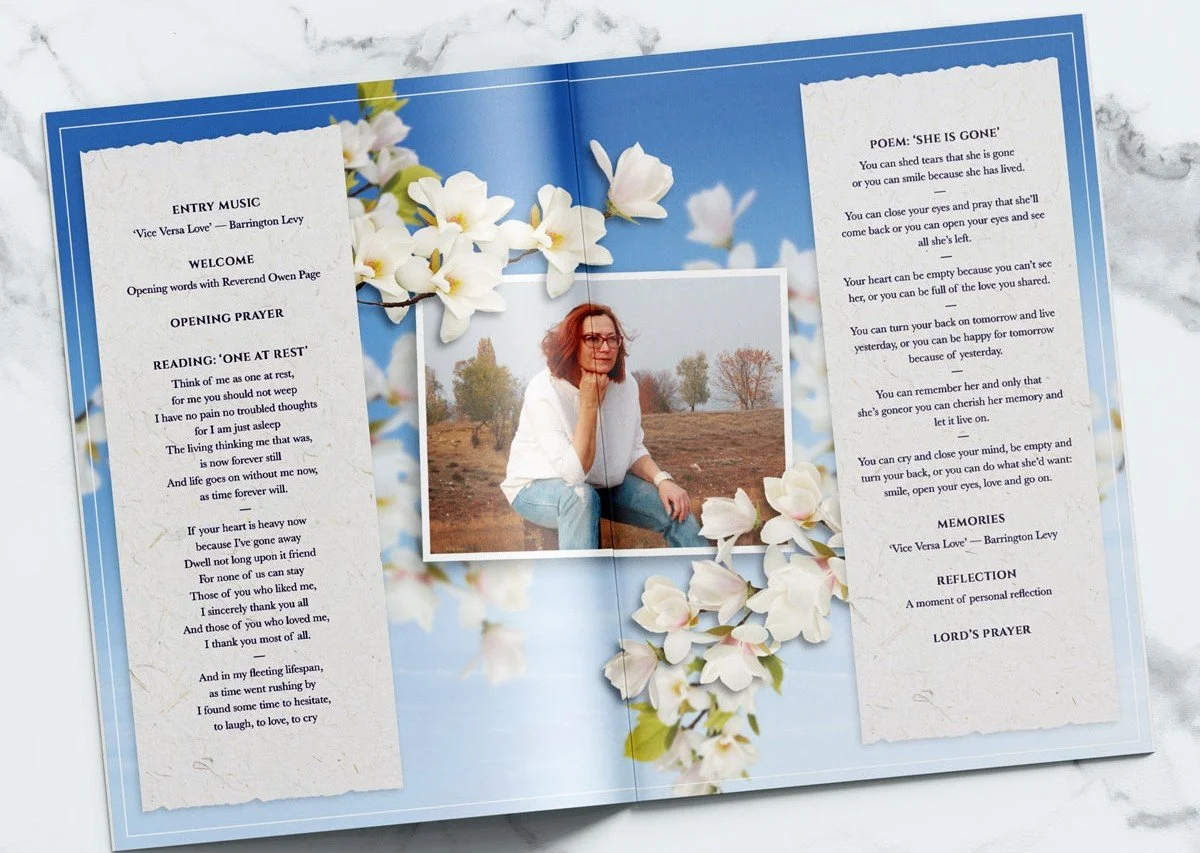
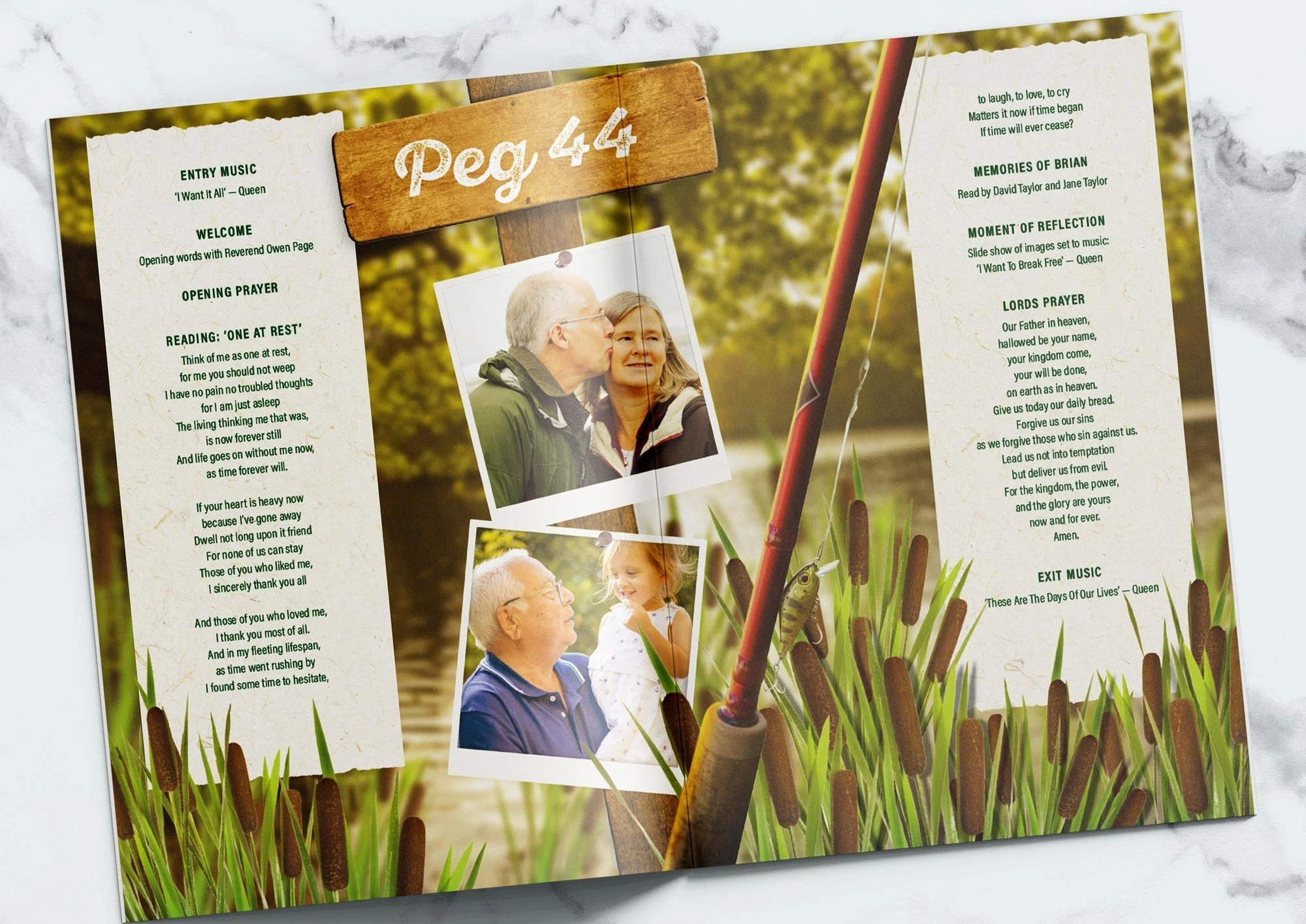
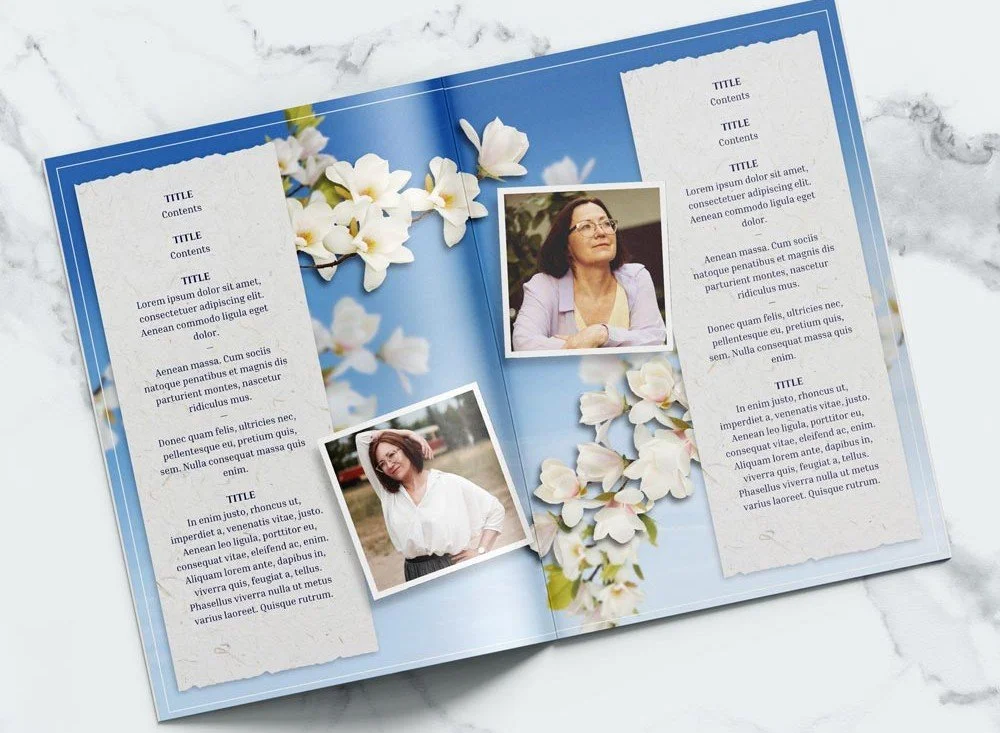
If it helps to see the shape of a finished one before you write your own, Membrance keeps a small library of designs and layouts on the homepage, alongside order of service templates that follow the same tone and structure once the notice itself is settled.
A Quick Example
Here's a short, plain-language example to show the balance in practice:
John Edward Harris, aged 78, passed away peacefully on 12th March, surrounded by family. Beloved husband to Margaret, father to Sarah and Michael. The funeral service will be held at St. Mary's Church, Loughborough, on 25th March at 11 am, followed by a private burial. Family flowers only please; donations, if desired, to the British Heart Foundation. All welcome to join the family afterwards at the Kings Head for refreshments.
Notice how little is wasted here; every sentence carries information or warmth, and nothing more.
The Bottom Line
Writing a funeral notice doesn't need to be complicated, but it does need to be accurate, clear, and calm. Get the facts right first, keep the tone honest, and let the personal details do the work rather than trying to write something grand. Most families find that once they've got a structure to follow, the words come more easily than they expected.
If you'd rather not start from a blank page during an already difficult time,contact Membrance's team; they can talk you through wording, layout, and timing so the notice is ready when you need it.
FAQs
1. How long should a funeral notice be?
Most run between 50 and 150 words. Long enough to cover the facts and a personal line or two, short enough that it's easy to read at a glance.
2. Can I write a funeral notice myself, or does it need to go through a funeral director?
You can absolutely write it yourself. Funeral directors will often help or review it, but the wording is entirely up to the family.
3. Should I include the cause of death in a funeral notice?
This is optional and personal. Many families leave it out entirely; others mention it briefly if it feels relevant or was well known.
4. What if different family members want different wording?
It helps to agree on the core facts first (dates, location, time), then let one person draft the personal lines and circulate them for feedback before publishing.
5. Is it okay to update a funeral notice after it's published?
Yes, most platforms and papers allow corrections, especially for date or location errors. It's best to fix these as soon as they're noticed.