
Can You Include a Photo on a Funeral Welcome Sign in Loughborough?
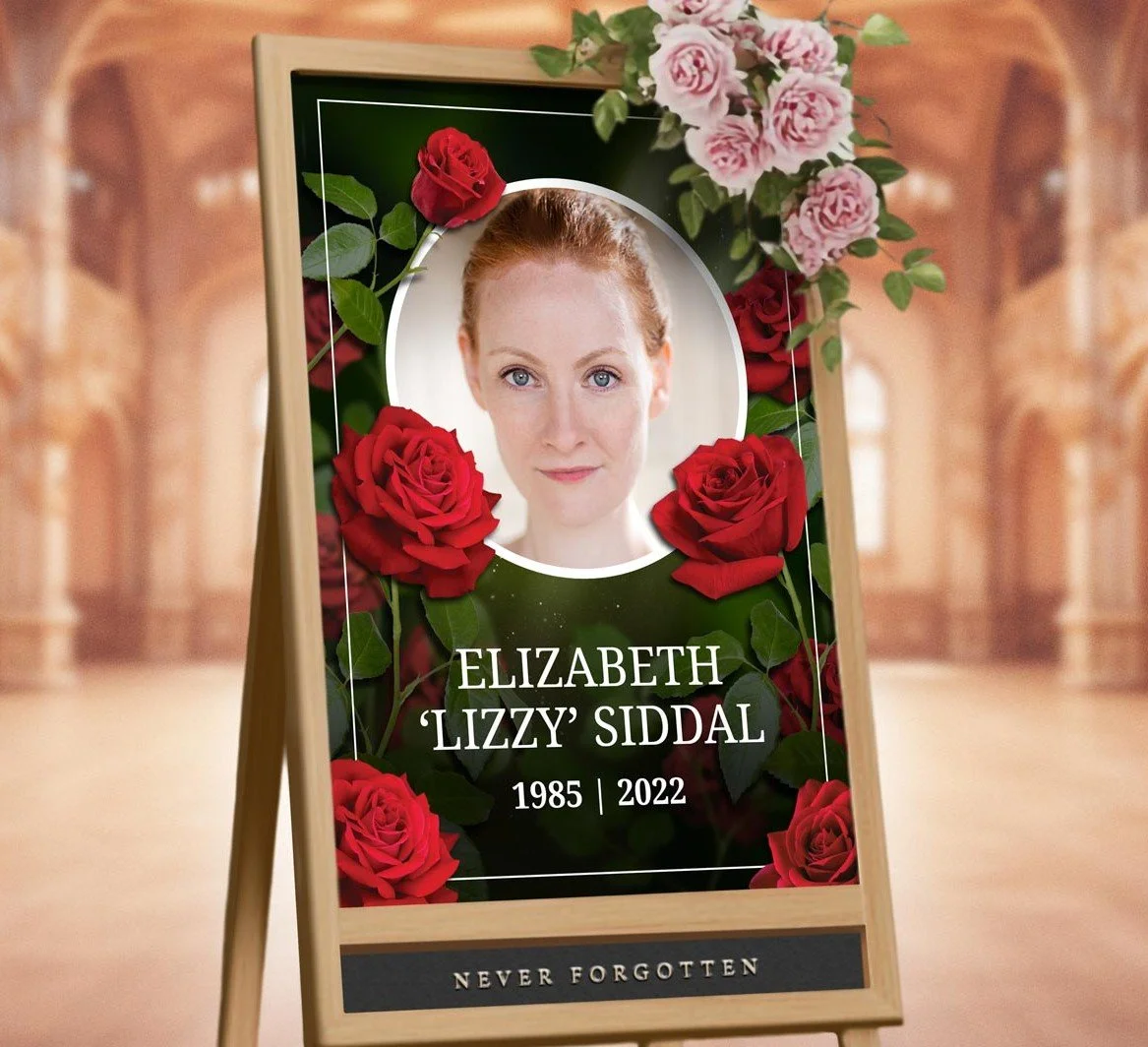
A surprising number of families don't realize a photo can be added to a funeral welcome sign until they see an example someone else has used. Can a funeral welcome sign include a photo? Yes, and it's actually one of the more requested features once people know it's an option. What often holds families back isn't whether it's possible, but uncertainty around which photo to choose and whether it will print clearly rather than looking blurry or out of place.
Why Families Choose to Include a Photo
A name and a short message can carry real meaning on their own, but a photo adds something words alone can't: instant recognition. Guests arriving at a service often catch sight of the sign before reading a single word, and a familiar face can create an immediate emotional connection that text takes a moment longer to build.
Photos are commonly included for a few reasons:
They help guests who may not have seen the person in recent years connect the name to a face they remember
They add warmth to what might otherwise feel like a purely formal display
They give younger guests, such as grandchildren, a clear visual connection to the person being remembered
They often become the most treasured part of the sign if it's kept afterward
Choosing the Right Photo
Not every photo translates well to a large printed sign, and this is usually the first practical hurdle families run into. A photo that looks clear on a phone screen can appear pixelated or soft once enlarged for print, particularly on a full-size easel sign.
A few things to look for when selecting a photo:
Resolution: higher-resolution images hold up far better at larger print sizes
Lighting: photos taken in good natural light tend to print more clearly than dim or backlit shots
Cropping: a photo with the subject clearly centered and unobstructed works better than a tightly cropped group photo
Recency versus sentimentality: some families choose a more recent photo for recognizability, while others prefer one from a favourite memory; both are valid choices
If you're still deciding on the overall wording and layout before adding a photo, our guide on how to make a funeral welcome sign covers those foundational decisions, which makes it easier to know how much space a photo will actually have.
How Photo Printing Actually Works on a Sign
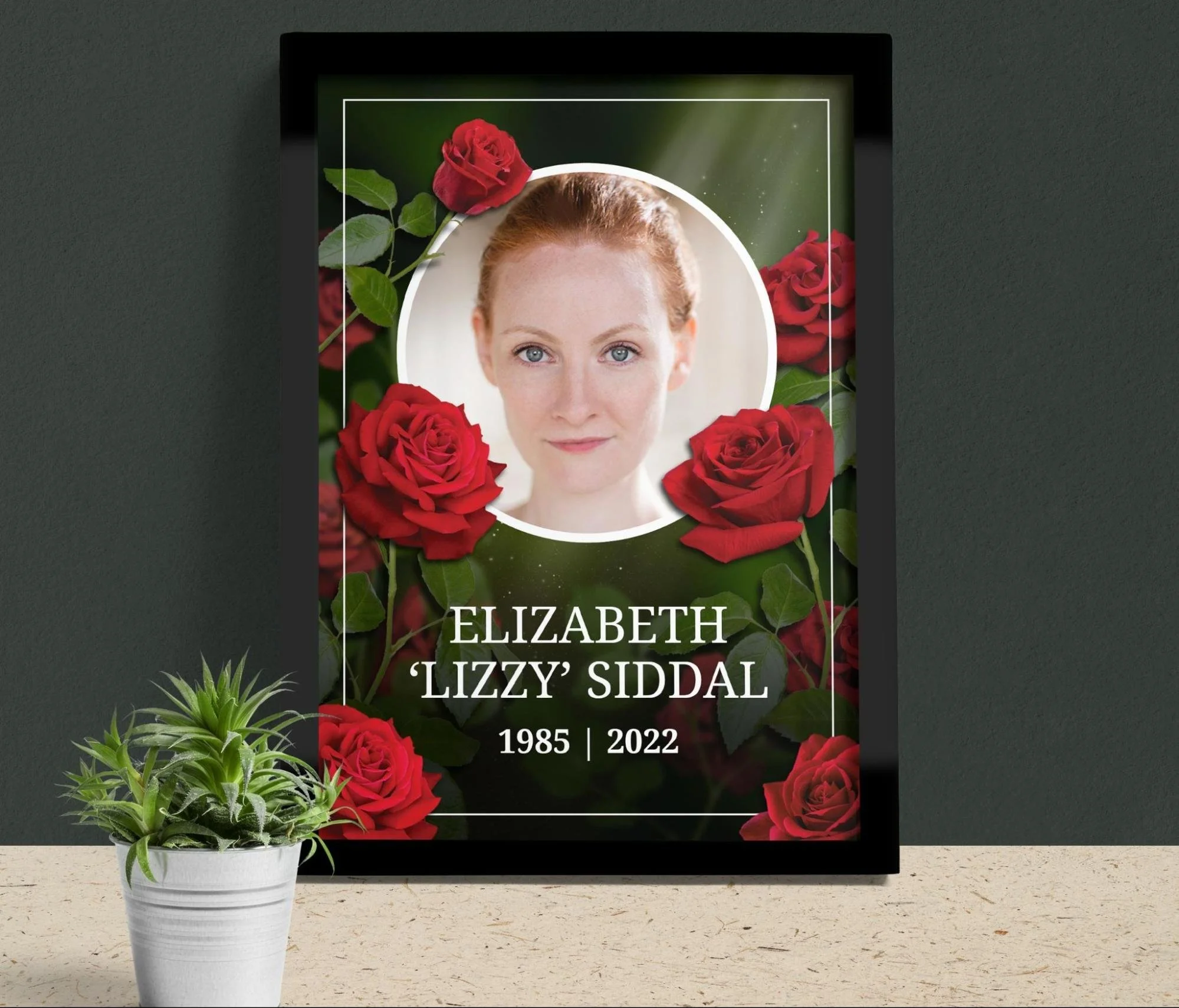
Once a photo is chosen, the printing process itself involves a few technical considerations that aren't always obvious at first glance.
Print resolution matters more on a large sign than it would on a smaller item like an order of service, since any softness in the image becomes far more visible at a larger scale. Most professional printing benefits from an image with sufficient resolution for the intended sign size, which is why older or heavily compressed photos sometimes need enhancement before printing.
Color correction is another step that's easy to overlook. A photo that looks fine on a phone screen may shift slightly in tone once printed, particularly under different lighting conditions at the venue. Adjusting color balance before printing helps the final result look closer to what was expected.
Placement and sizing also affect how the photo sits within the overall design. A large, central photo works well on some layouts, while a smaller photo paired with more text suits others. This decision often comes down to how much text the family wants included alongside the image.
A Note on Getting Photos Print-Ready
Getting a photo to print well isn't always intuitive, especially with older images or ones taken years ago on lower-resolution devices. This is one of the areas Membrance LLC spends real time on with families, checking image quality and suggesting adjustments before anything goes to print, rather than letting a blurry result be a surprise on the day. If you'd like to see examples of photo-inclusive signs before choosing one for your own service, you're welcome to browse the Membrance homepage.
Common Mistakes Families Make With Photo Signs
A handful of issues come up consistently when photos are involved:
Using a photo pulled from social media. These are often compressed for web viewing and can look noticeably soft once printed at a larger size.
Choosing a group photo instead of a clear individual portrait. Group shots can make it harder to isolate the person being remembered, especially at a distance.
Not checking image quality before finalizing the design. A quick zoom-in on the original file can reveal issues that aren't visible on a small screen.
Assuming any photo will look fine once resized. Enlarging a low-resolution image beyond its natural size usually introduces visible blur or pixelation.
Overlooking how the photo will look printed in black and white if that's part of the design. Some photos that work well in color lose contrast when converted, which can affect clarity.
Balancing Photo and Text on the Page
One detail families sometimes underestimate is how a photo changes the rest of the layout. Adding an image reduces the space available for text, which means wording often needs to be slightly more concise than it would be on a text-only sign.
This is closely tied to why a welcome sign matters as a first impression in the first place; a photo strengthens that impression considerably, and understanding its emotional role can help guide how much visual weight to give it. Our guide on why funeral welcome signs are importantexplains this connection in more detail.
Choosing a Format Built for Photos
Not every welcome sign template is designed with a photo in mind from the start, which is why choosing a layout built for it can make the process considerably smoother. Our Memorial Signs and Welcome Boards collection includes several photo-ready formats that balance image and text without requiring a custom layout from scratch.
The Timeless Funeral Memory Board is one of the most popular choices for families wanting to include a photo, since its layout was designed with a central image in mind, leaving enough space around it for a name and short message without feeling crowded.
Expert Perspective: Why Photo Quality Deserves Extra Attention
Photos carry a different kind of visibility on a welcome sign compared to a smaller printed item. Because the image is often the largest single element on the page, any quality issue is far more noticeable than it would be elsewhere. This is exactly why experienced designers tend to check resolution and lighting carefully before committing to a final layout, rather than assuming any photo submitted will translate well to print.
Getting this right the first time also avoids a difficult situation of discovering a printed sign looks blurry only once it's already on display at the service. A short review of the photo beforehand almost always prevents that outcome.
Cost is also worth factoring in at this stage, since photo-inclusive signs typically involve a slightly different printing process than text-only designs. Our guide onhow much a funeral welcome sign costsbreaks down how adding a photo tends to affect the overall price.
Bringing It All Together
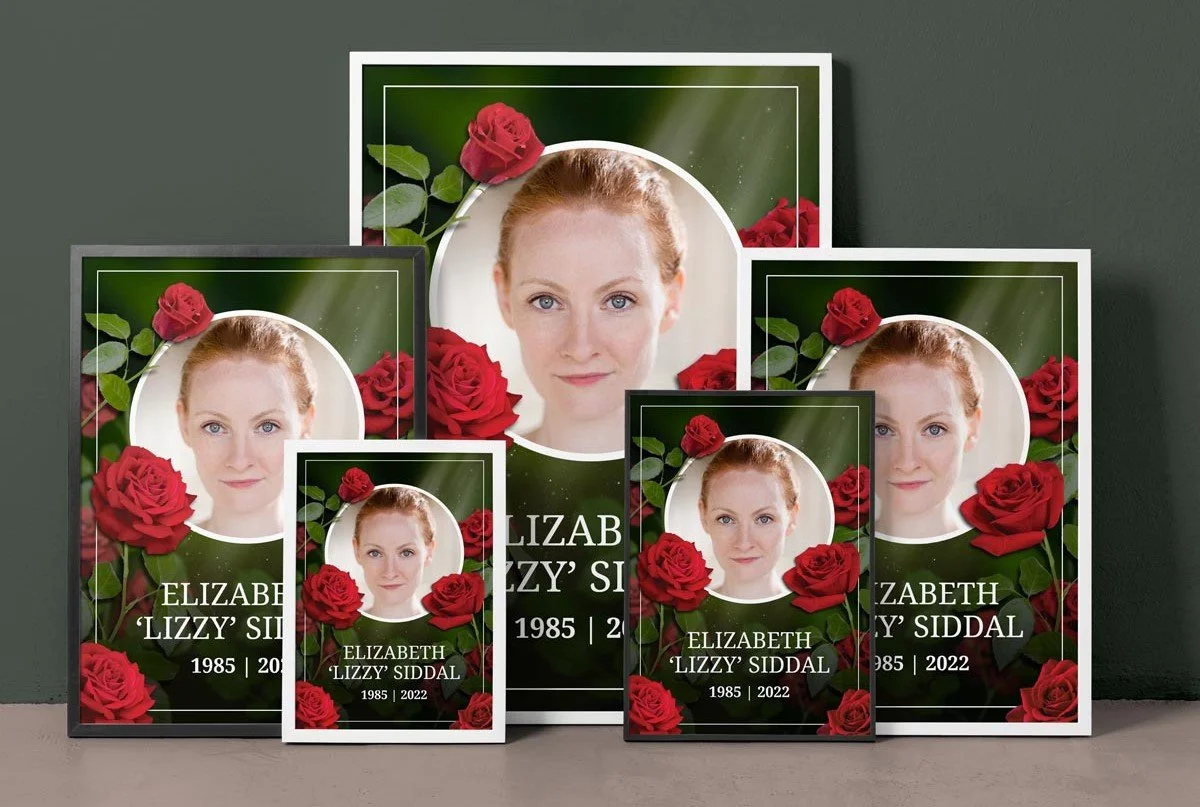
Yes, a funeral welcome sign can absolutely include a photo, and for many families it becomes one of the most meaningful elements of the entire display. The key is choosing a clear, well-lit image, allowing enough space in the layout, and checking print quality before the final version is confirmed.
If you'd like help selecting or preparing a photo for your own welcome sign, feel free to contact us; we're happy to review image quality and suggest the best layout for your service.
FAQs
1. What's the minimum photo quality needed for a welcome sign?
There's no single fixed number, but higher-resolution images, ideally originals rather than screenshots or downloaded copies, tend to print far more clearly at larger sizes.
2. Can an old or slightly damaged photo still be used?
Often yes, with some enhancement or restoration work, though results vary depending on the original image quality.
3. Should the photo be in color or black and white?
Either works well, and it often comes down to personal preference or matching the tone of the rest of the service's printed materials.
4. Can more than one photo be included on the sign?
It's possible, though most designs work best with a single clear image, since multiple photos can make the layout feel busy on a sign meant to be read quickly.
5. What if I only have a low-resolution photo available?
It's worth having it reviewed before committing to a large print size, since a smaller sign or added enhancement work may be needed to avoid a blurry result.